Tooth decay is one of the most common oral health problems worldwide, affecting both children and adults. It occurs when the hard surface of the tooth becomes damaged over time due to acids produced by bacteria in the mouth. Although highly preventable, tooth decay is often overlooked in its earliest stages because it typically develops slowly and without obvious symptoms. This is where a dentist plays a critical role, identifying early signs of decay before it progresses into more serious damage. Many people do not realize they have a cavity until discomfort begins, by which point treatment may be more involved.
In this article, we’ll share key insights every dentist wants patients to understand about preventing, detecting, and treating tooth decay effectively.
How Tooth Decay Actually Develops
Tooth decay begins with plaque, a sticky film of bacteria that naturally forms on teeth after eating and drinking. When sugars and carbohydrates are consumed, bacteria in plaque produce acids that gradually attack the enamel, which is the tooth’s protective outer layer. Over time, repeated acid exposure weakens the enamel and creates small openings that can develop into cavities.
Because this process happens slowly, early decay is often painless and difficult to notice without professional evaluation. Many people assume their teeth are healthy until the damage becomes more advanced. Regular visits to a dentist are essential because early decay can be detected before it becomes visible or causes discomfort, enabling simpler, more effective treatment.
Early Warning Signs You Shouldn’t Ignore
Even though early tooth decay can be subtle, there are warning signs that should not be ignored. Sensitivity to hot, cold, or sweet foods is often one of the first indicators that enamel may be weakening. Some individuals may also notice white or brown spots forming on the tooth surface, indicating early mineral loss. Mild discomfort when chewing or biting can also suggest that decay is beginning to affect deeper layers of the tooth.
The Most Common Causes of Tooth Decay
Several everyday habits contribute to the development of tooth decay. Poor oral hygiene, such as inconsistent brushing and flossing, allows plaque to build up and remain on the teeth for extended periods. Diet also plays a major role, especially when it includes frequent consumption of sugary or acidic foods and beverages. These substances feed harmful bacteria and accelerate enamel erosion.
Another contributing factor is dry mouth, which occurs when saliva production is reduced. Since saliva helps neutralize acids and wash away food particles, a lack of saliva increases the risk of decay. Finally, skipping routine dental checkups can allow small problems to go unnoticed until they become more serious. A dentist can identify these risks early and help prevent long-term damage.
How Dentists Detect and Treat Tooth Decay Early
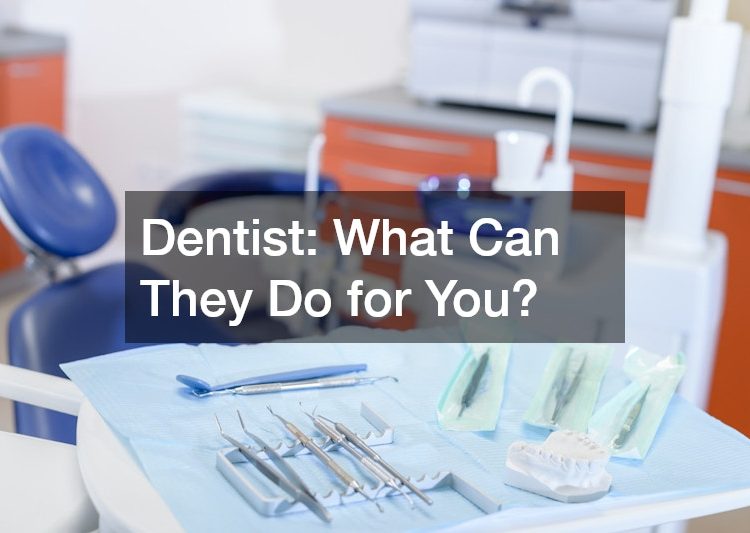
A dentist uses a combination of visual examinations and dental X-rays to detect early signs of decay. These tools allow them to see areas that are not visible to the naked eye, including spaces between teeth and beneath the enamel surface. Early detection is crucial because it prevents decay from spreading deeper into the tooth structure.
Once identified, treatment depends on the severity of the decay. In its earliest stages, fluoride treatments may help strengthen enamel and reverse minor damage. If a cavity has formed, a filling is typically used to restore the tooth’s structure.
Why Early Treatment Saves Teeth (and Money)
Treating tooth decay early leads to simpler and less invasive procedures. Small cavities can often be addressed quickly with minimal discomfort, while advanced decay may require more complex treatments such as root canals or even extractions. Early intervention not only helps preserve natural teeth but also reduces long-term dental costs. Seeing a dentist at the first sign of trouble can make a significant difference in both oral health outcomes and overall treatment experience.
Dentist-Recommended Daily Habits
There are several simple habits a dentist often recommends to further reduce the risk of tooth decay. Drinking water after meals helps rinse away acids and food particles. Chewing sugar-free gum can stimulate saliva production, which naturally protects teeth from decay.
Tooth decay develops gradually, but understanding its causes, early signs, and treatment options can significantly improve oral health. Dentists consistently emphasize the importance of prevention, early detection, and timely care to avoid more serious complications. With proper habits and awareness, tooth decay is highly preventable. Routine dental care is essential for identifying issues early and guiding effective treatment. Ultimately, small daily habits—when practiced consistently—can greatly reduce the risk of decay and support lifelong dental health.