You brush twice a day, floss most nights, and still your dentist keeps mentioning new spots of decay or sensitivity you don’t understand. The culprit might not be your habits at all, but what’s coming out of your kitchen faucet. Tap water quality varies enormously from city to city and even street to street, and the minerals, chemicals, or contaminants in your supply can quietly undermine your enamel over time. Understanding what’s actually in your water is the first step toward protecting your smile for the long haul.
Fluoride Levels and Why They Matter for Enamel
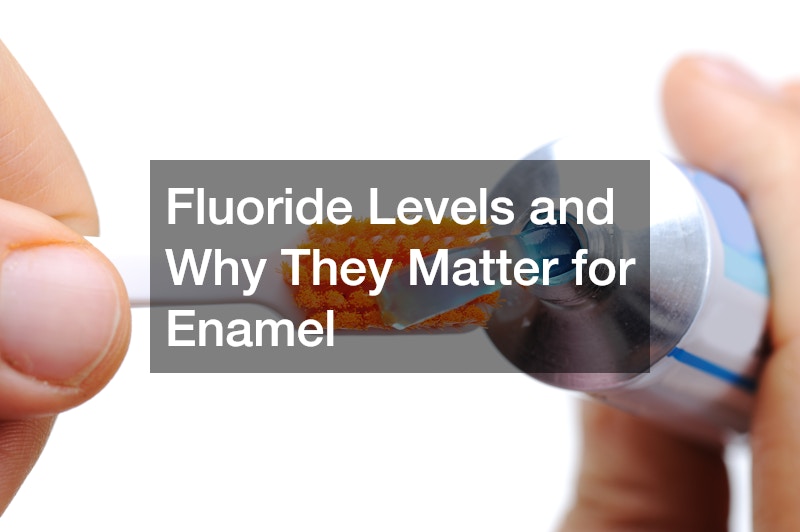
Fluoride has been added to municipal water supplies for decades because it strengthens enamel and helps prevent cavities, but not every household receives the same concentration. Some private wells have zero fluoride, while certain municipal systems have reduced or stopped adding it altogether due to shifting local policy. Without adequate fluoride exposure, your teeth lose a natural line of defense against the acids produced by oral bacteria.
If you’re unsure what your water contains, a simple test kit or a call to your local water authority can clarify things quickly. Many people compensate with fluoride toothpaste or mouth rinse, but that only addresses part of the picture. A conversation during your next teeth cleaning visit is a good opportunity to ask your hygienist whether your enamel shows signs of low fluoride exposure.
Hard Water Minerals and Their Effect on Your Smile
Hard water contains high levels of calcium and magnesium, which sounds beneficial in theory but can create problems in practice. Over time, mineral buildup can contribute to tartar forming faster on your teeth, giving bacteria more surfaces to cling to along the gumline. This doesn’t mean hard water is dangerous, but it does mean people in hard water regions often need more frequent professional attention.
The staining and buildup from hard water can also make your teeth look duller even when you’re brushing consistently. A whole house filtration service can reduce mineral concentration before water ever reaches your tap, which may cut down on both dental tartar and the scale buildup you see in sinks and appliances. Many dental practices track these kinds of equipment and treatment investments closely, and some even rely on a dental cpa service to help weigh the cost of recommending advanced filtration options against the long-term savings in patient tartar management. Pairing that kind of home upgrade with consistent dental visits gives you a much better shot at keeping tartar under control.
Chlorine and Disinfection Byproducts in Your Supply
Municipal water treatment plants rely on chlorine and similar chemicals for water sanitizing purposes, killing bacteria and pathogens before the supply reaches homes. This process is essential for public health, preventing outbreaks of waterborne illnesses like cholera and typhoid that were once common. But it isn’t without tradeoffs, particularly when chlorine interacts with the water source itself.
Disinfection byproducts, often abbreviated as DBPs, form when chlorine reacts with naturally occurring organic matter, such as decaying leaves or algae, present in lakes and rivers. Trihalomethanes (THMs) and haloacetic acids (HAAs) are among the most common byproducts found in tap water, and the EPA sets legal limits on how much of these compounds can be present in public drinking supplies. Levels can vary depending on the season, the source water, and how long water sits in aging pipes before reaching your tap.
Some research has linked long-term exposure to these byproducts with irritation of soft tissue, including gums, though the science is still developing and results are not yet conclusive. Other studies have explored possible connections to enamel sensitivity in people with frequent exposure to higher-than-average DBP concentrations. For most households, the risk remains low, but it’s a reminder that water quality can vary significantly by location and infrastructure.
Municipal water treatment plants typically add chlorine at levels between 0.2 and 4 milligrams per liter, and while this falls within safety guidelines, it’s often enough to produce a noticeable chemical taste or swimming-pool smell. That sensory turnoff matters more than it might seem: studies on beverage consumption consistently show that people who dislike the taste of their tap water drink less of it and reach more often for sodas, sports drinks, and juices instead. Those alternatives bathe teeth in sugar and acid far more damaging than any trace disinfectant ever could.
If your water smells strongly of chlorine, a simple pitcher filter or faucet-mounted carbon filter can usually resolve the issue without requiring a whole-house system. Activated carbon filtration is particularly effective at removing chlorine taste and odor while leaving beneficial minerals and fluoride largely intact. Letting a glass or pitcher of tap water sit uncovered in the refrigerator for a few hours can also help, since chlorine dissipates naturally over time.
The goal isn’t to abandon water altogether but to make it more palatable so you actually drink enough of it. Adequate hydration keeps saliva flowing steadily throughout the day, and saliva is one of your mouth’s primary defenses against decay — it neutralizes acids, washes away food particles, and delivers calcium and phosphate ions that help re-mineralize enamel. A dry mouth, by contrast, gives cavity-causing bacteria a much easier environment to thrive in.
Lead and Old Plumbing Risks in Older Homes
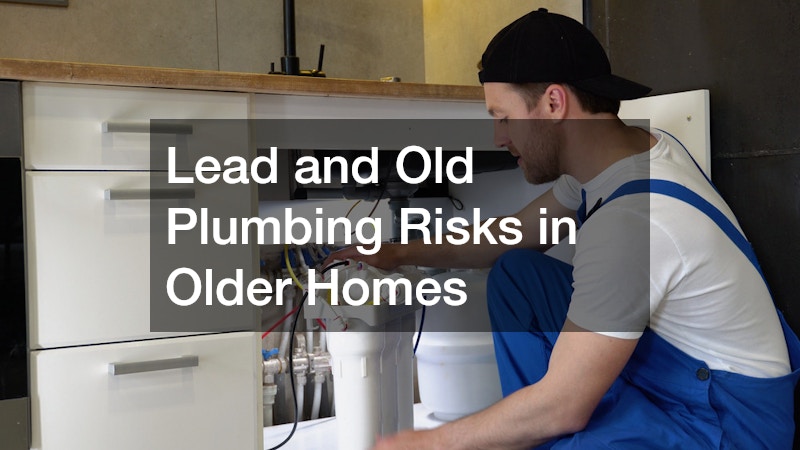
Homes built before the 1980s often have lead pipes, lead solder, or brass fixtures that can leach lead into drinking water, especially if the water sits stagnant overnight. Lead exposure doesn’t just affect general health; it can also affect developing teeth in children, sometimes leading to enamel defects. Testing your water is the only reliable way to know whether this is a concern in your specific home.
- Run the tap for 30 seconds before drinking if your home has older plumbing
- Use only cold water for cooking, drinking, and mixing infant formula
- Request a certified lab test if you notice discoloration or metallic taste
- Consider point-of-use filters certified specifically for lead reduction
- Ask your water utility for a copy of their most recent lead testing report
Bacterial Contamination After Storms or Water Main Breaks
Boil water advisories happen more often than most people realize, typically triggered by heavy rainfall, flooding, or a break in a water main that lets contaminants into the system. During these events, bacteria like E. coli can enter the supply and cause gastrointestinal illness, but they can also irritate oral tissue if you’re brushing with contaminated water. Following local advisories carefully, including using bottled water for brushing teeth during an active alert, protects both your gut and your gums.
Facilities that serve vulnerable populations, such as a daycare or a school, often have stricter protocols for responding to these advisories because young children are more susceptible to illness. Parents should ask their child’s care provider what backup water plan is in place for handwashing, drinking, and tooth brushing during an advisory. A few minutes of preparation can prevent an uncomfortable week of stomach upset or mouth irritation for a small child.
Private Well Water and the Testing Gap
Roughly 15 percent of Americans rely on private wells, and unlike municipal systems, these sources aren’t regulated or routinely tested by any government agency. That means responsibility for monitoring fluoride, bacteria, nitrates, and mineral content falls entirely on the homeowner. Many well owners haven’t tested their water in years, which leaves them unaware of gradual changes that could be affecting their family’s teeth.
Annual testing is generally recommended, and it’s inexpensive compared to the potential cost of untreated dental problems down the road. A basic test kit can reveal whether fluoride levels are too low to protect enamel or high enough to cause concern, along with flagging bacterial contamination or excess minerals that might otherwise go unnoticed. If results show fluoride is lacking, a dentist can recommend supplements or topical treatments to fill the gap. This is especially worth prioritizing if young children in the home are still developing their permanent teeth.
Recognizing Warning Signs During Routine Checkups

Your dentist can often spot clues that point back to water quality issues long before you’d notice them yourself. Unusual staining patterns, faster-than-expected tartar buildup, or enamel that seems unusually soft can all be flags worth discussing at your next visit. Bringing up your water source, whether it’s municipal, well, or filtered, gives your dental office useful context for interpreting what they’re seeing.
It also helps to mention any recent moves, since switching from one water supply to another can shift your risk profile without you noticing right away. Some patients switch cities and suddenly develop more cavities within a year or two, purely because their new tap water lacks the fluoride they were used to. Keeping your dental office updated on where you live and what water you drink turns a routine visit into a more accurate diagnostic conversation.
When Water-Related Damage Requires Urgent Dental Care
Most water-related dental issues develop slowly, weakening enamel or feeding decay over months or years, but occasionally the damage reaches a tipping point overnight. A cracked filling, sudden severe sensitivity to hot or cold, or a broken tooth can demand same-day attention rather than a routine appointment down the road. These acute events often signal that mineral imbalances or chronic acid exposure have already compromised the tooth structure to a breaking point.
Watch for warning signs like a sharp pain when biting down, a visible fracture line, a filling that feels loose or has fallen out, or swelling near the gumline. Any of these can indicate exposed dentin or nerve tissue, which is vulnerable to infection within days if left untreated.
If you’re dealing with a chipped front tooth or intense pain outside of normal business hours, an emergency cosmetic dentist can often see you quickly and address both the functional and appearance-related concerns at once. This matters especially for visible front teeth, where a temporary bonding or veneer repair can restore both bite function and a natural smile in a single visit.
Delaying treatment on a cracked or broken tooth increases the risk of infection and can turn a simple repair into a more complex procedure like a dental implant later on. What might have been a $200-300 filling repair can escalate into a root canal, crown, or full implant costing several thousand dollars if bacteria reach the pulp. Acting within 24 to 48 hours of the initial break gives dentists the best chance of saving the natural tooth.
Not every water-related dental issue needs an emergency room visit, but some do. Sudden, severe tooth pain that wakes you up at night, a cracked tooth from biting down on something unexpectedly hard, or swelling in your gums or face are all signs that you shouldn’t wait for a regular appointment. Left untreated, these issues can lead to infections that spread beyond the tooth itself, so it’s better to err on the side of caution.
It’s worth researching emergency dental options in your area before you actually need one, rather than scrambling to find care during a painful weekend. Many practices post their emergency protocols online, including whether they handle walk-ins or require a referral, and some list same-day availability or after-hours phone lines specifically for urgent cases. It’s also worth checking whether your regular dentist has an on-call arrangement with another provider for nights and weekends, since not every practice covers emergencies directly.
Knowing this ahead of time means less stress if a dental crisis ever does strike your household. Consider saving the contact information for at least two nearby emergency dental providers, along with your dental insurance details, in a place you can find quickly. A few minutes of preparation now can save you hours of searching later, right when you’re least equipped to do it calmly.
Managing the Financial Side of Water-Related Dental Problems
Unexpected dental work can be expensive, and many patients are surprised to learn what their coverage actually includes. Reviewing your health insurance policy before you need major work done helps you understand deductibles, annual maximums, and which procedures are covered at what percentage. Some plans treat routine checkups as fully covered while treating restorative work, like fillings caused by mineral buildup or enamel erosion, very differently.
Behind the scenes, accurate medical billing makes sure claims are processed correctly and patients aren’t overcharged or left confused about their statements. Practices that stay organized with documentation and coding tend to see fewer errors on patient bills and faster resolution if a claim gets denied. Asking how billing disputes are handled before treatment begins can save you a headache later, especially when water-related damage complicates what counts as preventive versus restorative care.
Your tap water plays a bigger role in your dental health than most people ever consider, from fluoride content to mineral levels to the occasional contamination event. Taking a few practical steps, like testing your water, discussing your water source with your dentist, and staying current on preventive visits, can help you catch problems before they become painful or expensive. Start by finding out exactly what’s in your water this week, then bring that information to your next dental appointment so your care team has the full picture.