Healthy smiles are built through small habits repeated every day. For families, that can be easier said than done. Mornings are busy, evenings are rushed, children may resist brushing, teens may forget flossing, and adults often put their own care last. Over time, these missed habits can lead to cavities, gum irritation, tooth sensitivity, and bigger oral health problems.
The good news is that families do not need a complicated routine to protect their smiles. A few consistent steps can make oral care feel more natural and less stressful. Brushing, flossing, smart snack choices, preventive visits, and early attention to symptoms all work together. When everyone in the household understands what to do and why it matters, healthy habits become easier to maintain.
The goal is not perfection. The goal is to create a routine that works for real family life.
Start With a Simple Daily Schedule

A strong smile routine begins with consistency. Brushing twice a day is one of the most important habits families can build. The best times are usually after breakfast and before bed, but the exact schedule should fit your household’s routine.
Nighttime brushing is especially important. During sleep, saliva flow slows, allowing food particles and plaque to remain on the teeth longer. Brushing before bed helps remove the buildup from the day and gives teeth a cleaner environment overnight.
For children, visual reminders can help. A simple bathroom chart, sticker calendar, or timer can make the routine easier to follow. Younger kids may enjoy brushing songs or apps that count down two minutes. Older children and teens may prefer a phone reminder or an electric toothbrush with a timer.
Helpful daily habits include:
- Brush for two full minutes.
- Use a soft-bristled toothbrush.
- Keep supplies easy to reach.
- Replace toothbrushes regularly.
- Brush the tongue gently to reduce odor.
- Rinse toothbrushes well after use.
- Store brushes upright so they can air dry.
Parents should also model the behavior they want children to follow. When kids see adults making oral care a normal part of the day, they are more likely to copy it. Families can even brush together in the evening to make it feel like a shared habit rather than a chore.
Choose Care That Fits the Whole Household
Finding the right provider can make family oral care much easier. A family dentist can often care for children, teens, adults, and older family members in one place. This can simplify scheduling and help everyone feel more comfortable because the provider gets to know the household over time.
A trusted dentist can also track changes from visit to visit. This matters because oral health needs change at every stage of life. Young children need help preventing cavities and learning brushing habits. Teens may need guidance with braces, sports mouthguards, or wisdom teeth. Adults may need support with gum health, worn enamel, sensitivity, or damaged teeth.
When choosing a provider, families should look for more than convenience. Comfort, communication, patience, and clear explanations all matter. Children may feel nervous in the chair, and adults may experience anxiety from past experiences. A calm, supportive environment can make routine care feel less intimidating.
Questions to consider include:
- Does the office treat all age groups?
- Are appointment times convenient for school and work schedules?
- Does the team explain treatment clearly?
- Are children made to feel comfortable?
- Is preventive care emphasized?
- Are emergency needs handled promptly?
- Are payment and insurance details explained in advance?
When the right provider is in place, families are more likely to keep up with routine care and ask questions before small issues become larger concerns.
Put Preventive Visits on the Calendar
Preventive visits should be treated like any other important health commitment. It is easy to delay them when life gets busy, but skipping routine care can allow small problems to grow. A regular dental appointment gives families a chance to catch concerns early, remove buildup, and receive guidance that fits each person’s needs.
Cleanings and exams are especially helpful because some problems are hard to see at home. A child may have early enamel changes, an adult may have gum inflammation, or a teen may have plaque buildup around orthodontic appliances. These issues can often be addressed more easily when they are found early.
Many dental offices offer family scheduling options that help parents group visits. This may reduce time away from school or work and make it easier to keep everyone on track. Booking the next visit before leaving the office is also a smart habit.
Before visits, parents can help children prepare by explaining what will happen in simple, positive language. Avoid using fear-based words. Instead of saying “It won’t hurt,” say something like, “They will count your teeth and clean your smile.”
Families should also keep their health information up to date. Bring current insurance details, medication lists, allergy information, and any changes in medical history. Oral health and overall health are connected, so accurate information helps the care team make better recommendations.
Improve Brushing at Every Age
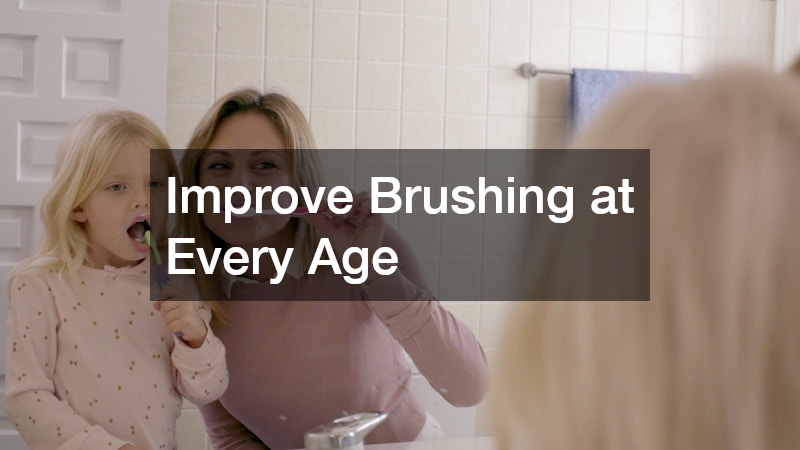
Brushing needs change as children grow. Babies and toddlers need help from adults. Young children may want independence but still need supervision. Teens may know what to do but need reminders. Adults may need to adjust their technique as gums, enamel, or sensitivity change.
For babies, caregivers can gently wipe their gums with a soft cloth. Once teeth appear, brushing should begin with an age-appropriate toothbrush and the proper amount of toothpaste. Toddlers and preschoolers usually need an adult to brush for them or finish the job after they try.
Young children often miss the back teeth, gum lines, and the inside surfaces of teeth. Parents should supervise until the child has enough coordination to brush well, which often takes longer than many families expect.
Adults should focus on gentle, thorough brushing. Scrubbing too hard can irritate gums and contribute to enamel wear. A soft brush and gentle circles near the gumline are usually better than aggressive pressure.
Brushing tips for the whole family:
- Replace toothbrushes every three to four months.
- Replace brushes after illness.
- Use a timer to reach two minutes.
- Brush all sides of every tooth.
- Do not rush the gumline.
- Ask for technique tips during checkups.
- Keep extra toothbrushes available for travel or sleepovers.
Better brushing does not have to be complicated. Small improvements in technique can make a major difference over time.
Make Between-Teeth Cleaning Easier
Flossing is one of the most commonly skipped habits, but it plays an important role in removing plaque where toothbrushes cannot reach. The spaces between teeth can collect food and bacteria, making them common areas for cavities and gum irritation.
Children should begin flossing when their teeth touch. At first, parents will need to help. Floss picks can be easier for young children, while older children and adults may prefer traditional floss, interdental brushes, or water flossers.
Flossing may cause bleeding at first if the gums are inflamed. That does not always mean flossing should stop. Gentle, consistent cleaning often helps improve gum health. However, bleeding that continues should be discussed with a professional.
To build the habit:
- Pair flossing with nighttime brushing.
- Keep floss visible near the toothbrush.
- Use floss picks for children.
- Try water flossers for braces or bridges.
- Start with a few teeth if the habit feels overwhelming.
- Praise effort instead of expecting perfection.
Between-teeth cleaning is easier when it feels like a normal part of the routine rather than an extra task.
Make Smarter Snack and Drink Choices
What families eat and drink throughout the day has a major impact on oral health. Sugar feeds bacteria in the mouth, and those bacteria produce acids that can weaken enamel. The frequency of sugar exposure matters, too. Sipping sweet drinks or grazing on snacks all day can be harder on teeth than enjoying a treat with a meal.
Water should be the main drink between meals. Juice, soda, sports drinks, sweet tea, and flavored coffee drinks can expose teeth to sugar and acid. These drinks do not have to be banned completely, but they should be limited and timed wisely.
Tooth-friendly snacks can help reduce risk while still keeping kids satisfied. Good options include cheese, plain yogurt, nuts, crunchy vegetables, apples, and other fresh foods that are not sticky or sugary.
Know When Symptoms Need Attention

Families should learn to recognize early warning signs. Tooth and gum problems are often easier to treat when they are addressed quickly. Waiting until pain becomes severe can lead to more involved care.
Common signs to watch for include tooth sensitivity, bleeding gums, swelling, toothaches, persistent bad breath, loose or chipped teeth, jaw discomfort, or pain while chewing. Children may not always describe tooth pain clearly, so parents should pay attention if a child avoids certain foods, chews on one side, or complains during brushing.
Local dentists can evaluate symptoms and determine whether care is needed. It is better to ask early than to wait and hope the problem disappears. Some symptoms may be minor, but others may signal decay, infection, gum disease, or damage to a filling or tooth structure.
Restorative dentistry may be needed when teeth are cracked, decayed, worn, missing, or weakened by old repairs. These treatments are designed to restore function, comfort, and appearance. The earlier the damage is found, the more options a patient may have.
Track symptoms when they appear. Write down when they started, what triggers them, and whether they are getting worse. This information can help during the visit.
Support Confidence Without Skipping Health
Smile confidence can affect children, teens, and adults differently. Someone may feel self-conscious about stains, chips, gaps, uneven edges, worn teeth, or old dental work. These concerns are valid, but cosmetic improvements should always start with healthy teeth and gums.
Cosmetic dentists can evaluate concerns and explain options such as whitening, bonding, veneers, reshaping, or other treatments. The right option depends on oral health, age, goals, budget, and long-term maintenance.
A local cosmetic dentist may help create a realistic plan that balances appearance with function. For example, a chipped tooth may need more than a cosmetic fix if the damage affects the bite. Staining may improve with whitening, but stains caused by deeper issues may require a different approach.
Understand Options for Missing Teeth
Tooth loss can affect more than appearance. Missing teeth may make chewing harder, change speech, affect bite alignment, and place extra pressure on remaining teeth. Families should understand replacement options before a problem becomes urgent.
Affordable dental implants may be a viable option for some patients, depending on health, bone support, budget, and treatment goals. Cost can vary, so it is important to ask what is included in the full plan, such as imaging, surgery, restoration, and follow-up care.
A dental implant is designed to replace a tooth root and support a crown, bridge, or denture. It usually requires evaluation, planning, healing time, and long-term hygiene. Not every person is a candidate, especially if there is insufficient bone support or certain health conditions affect healing.
Other options may include bridges or removable dentures. Each choice has benefits and limitations. Families should ask about comfort, maintenance, timeline, durability, and long-term expectations before making a decision.
Prepare for Busy Weeks and Emergencies

Routines often fall apart during vacations, sports seasons, school events, sleepovers, holidays, and long weekends. Families can prevent this by creating small oral care kits for travel and busy days.
Families should also know what to do in an emergency. If a tooth is chipped, save any broken piece if possible. If a permanent tooth is knocked out, handle it carefully by the crown, not the root, and seek urgent guidance right away. Quick action can matter.
Planning ahead helps families stay calmer when something unexpected happens.
Keep the Routine Positive
A healthy routine works best when it feels manageable. Shame, fear, and pressure can make children and adults avoid care. Instead, families should focus on encouragement, consistency, and small improvements.
Healthier smile routines are built through simple, repeatable habits. Brushing, between-teeth cleaning, smart food choices, preventive visits, early attention to symptoms, and positive encouragement all work together to protect long-term oral health.
Families do not need a perfect system. They need a realistic one. By making daily care easier, planning ahead for busy seasons, and adopting a supportive approach for every age group, oral care can become a normal, less stressful part of family life.